

如何处理螺栓头和线程?螺栓头的形成采用冷镦塑料加工。与切割相比,金属纤维(金属线)沿产品的形状连续,中间没有切割。因此,产品的强度得到改善,尤其是机械性能优异。冷镦的成型过程包括切割和成型,单击单击单击,双击和多站自动冷标。相反,它使用自动冷镦机来切割和镦粗(如有必要)从栏杆和线材的空白。在挤出腔之前,必须成形为空白。通过成型,空白可以满足技术要求。坯料不需要在镦粗,减少和前进挤出之前成形。挡板后,它被送到镦粗和成型站。 This station can improve the quality of the blank, reduce the forming force of the next station by 15-17%, and prolong the service life of the die.
螺栓螺纹加工:螺纹一般采用冷加工,使一定直径范围内的螺纹毛坯经过螺纹滚板(模具),螺纹是由螺纹滚板(模具)的压力形成的。广泛用于获得精度高、质量均匀、强度高、螺纹部分塑料流线无切割的产品。为了使最终产品的螺纹外径,所要求的螺纹毛坯直径是不同的,因为它受螺纹精度的限制,材料是否有涂层。滚压螺纹是利用塑性变形形成螺纹的一种加工方法。它利用与待加工螺纹具有相同螺距和型材的滚模挤压圆柱螺杆毛坯,使螺杆毛坯同时旋转。最后,将滚模上的轮廓转移到螺杆毛坯上形成螺纹。滚(轧)螺纹和压螺纹的共同之处在于,滚(轧)螺纹转数不必太多。如果过多,效率低,螺纹表面容易产生分离现象或乱螺纹现象。反之,如果匝数过小,螺纹直径容易偏圆,初始滚压压力异常增大,导致模具寿命缩短。滚螺纹常见缺陷:螺纹部分表面裂纹或划伤; disorderly thread; out of roundness of thread part. If a large number of these defects occur, they will be found in the processing stage. If the number of defects is small and the production process does not pay attention to these defects, they will flow to users and cause trouble. Therefore, we should sum up the key problems of processing conditions and control these key factors in the production process.
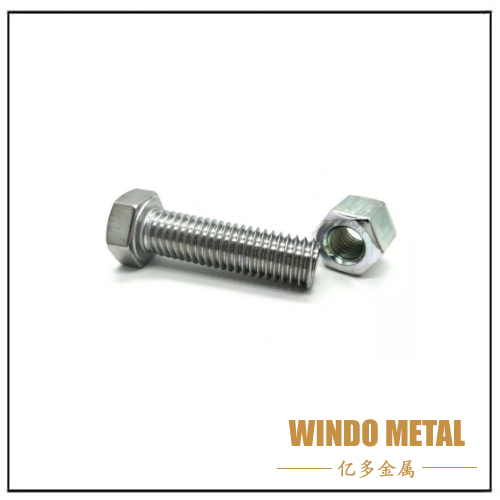
DIN 933六角螺栓和螺母
DIN 933六角螺栓和螺母不锈钢A2 A2 A4 DIN 931 DIN 933六角螺栓和螺母材料:碳钢,不锈钢,黄铜,合金钢头型:塑料锅头螺钉,沉头塑料螺丝,六角塑料螺丝,六角塑料螺丝,设置螺钉等特点:良好的防腐能力颜色:白色,黑色或定制尺寸:[...]
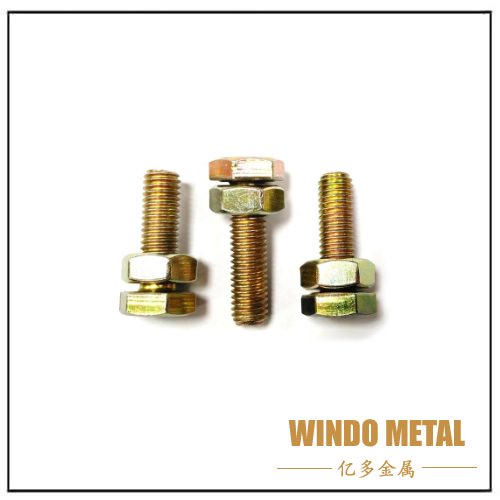
高强度黄锌六角头螺栓
材料:不锈钢303/304/316,碳钢,黄铜,青铜,铝,钛,合金,标准:GB, DIN, ISO, ANSI, ASME, IFI, JIS, BSW, HJ, BS, PEN类别:表面处理:青铜,镀锌,彩虹,[…]
